Skip to content

Flat-roof patio specialists

(08) 6186 7419

Western suburbs ยท City of Fremantle

Flat Patios Fremantle

Fremantle asks more of a patio builder than any council we work in. The reason is the building stock: the West End sits on the National Heritage List, and the City of Fremantle keeps a long local heritage list covering properties well outside it. Limestone, jarrah and corrugated iron are what the place is made of.

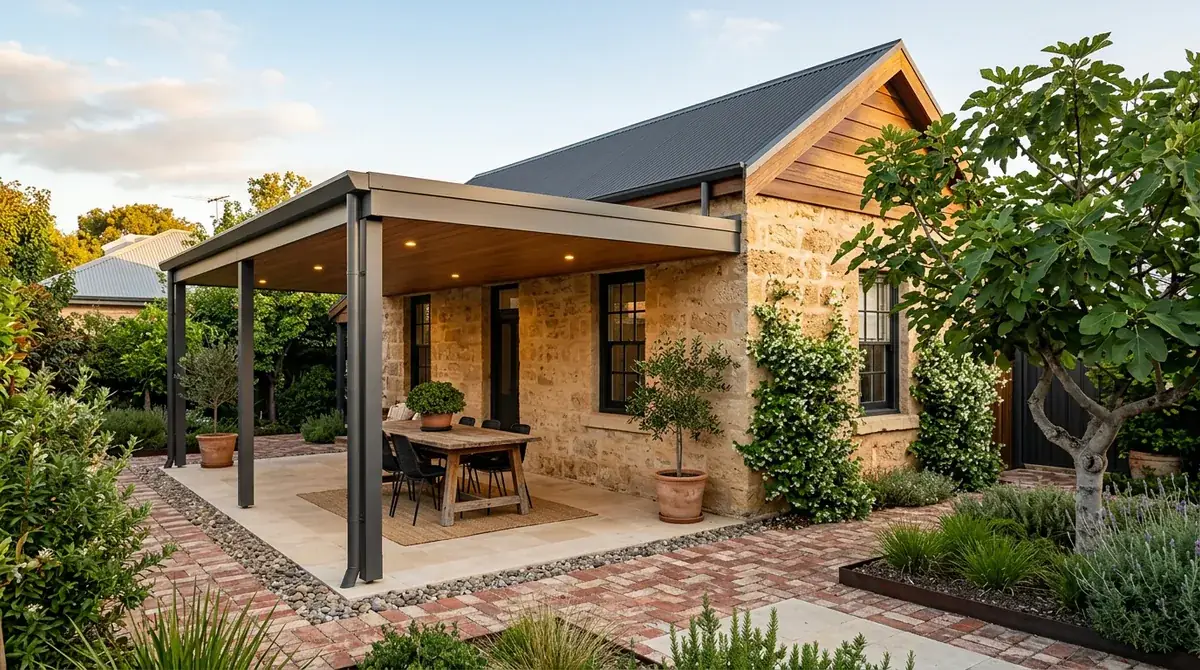
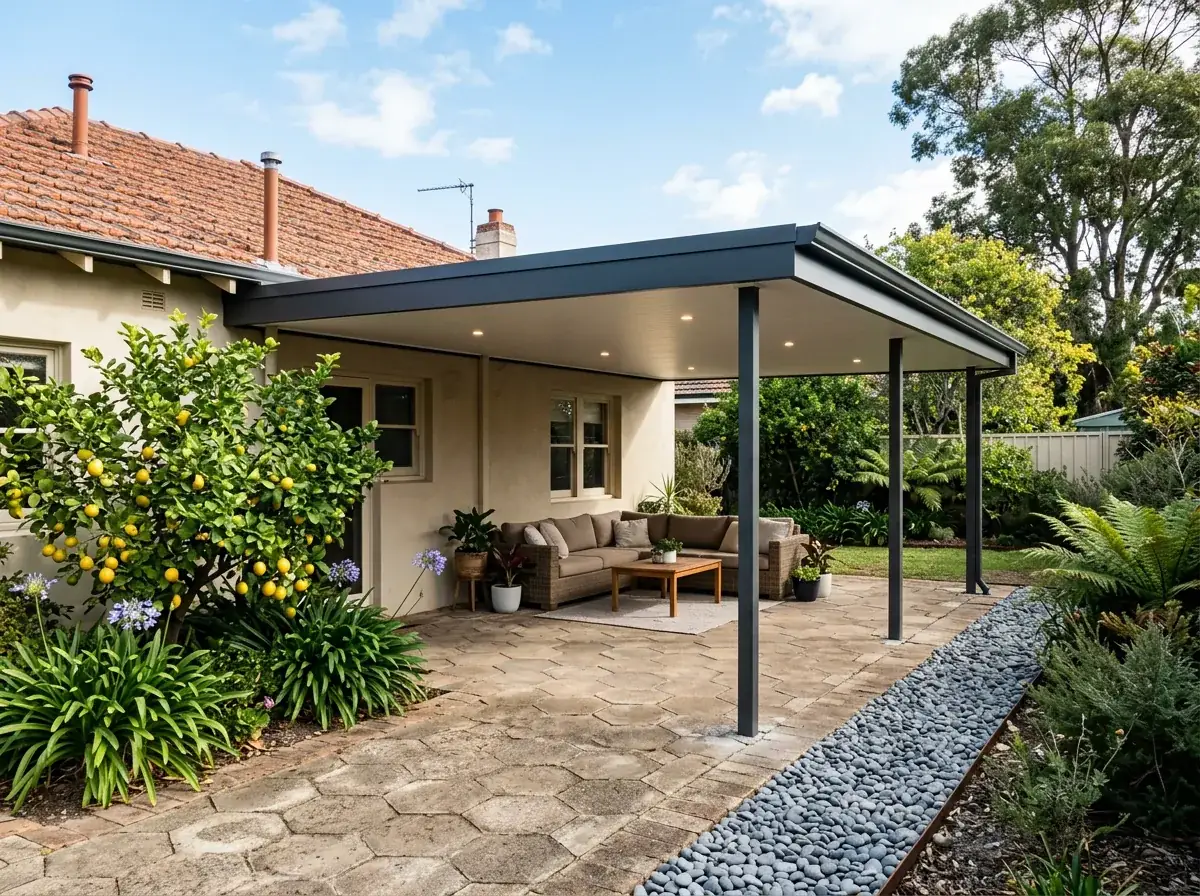
A flat Colorbond patio roof set low behind a limestone Fremantle cottage, its horizontal line sitting clear of the old corrugated iron roof above

Local conditions

What building in Fremantle actually involves

Council
City of Fremantle
Heritage
West End on the National Heritage List, plus a long local list covering properties well outside it
Ground
Tamala limestone close to the surface across the peninsula, so footings get cored rather than augered
Housing stock
Limestone and iron-roofed workers' cottages through South Fremantle, weatherboard and brick in White Gum Valley, red brick and tile at Beaconsfield and Hilton
Rear access
Rights of way behind much of the old grid decide sheet length and where the truck stops

Free site measure

We will confirm the council, the wind classification and the soil for your actual address, then price the patio against those numbers rather than a suburb average.

Get a Quote(08) 6186 7419

Before anything is drawn

What changes a patio build in Fremantle

Same crew and same engineering everywhere we work. These are the parts of the job this part of Perth decides for us.

  1. Reversibility is what a heritage officer wants to see

    On a listed property the shortest conversation is a structure that could come off in a day and leave the original fabric as found. That usually means a freestanding roof, a fixing into a later addition, or brackets set into mortar joints rather than through the stone.

  2. Development approval first, engineering second

    On a heritage property the development approval assessed against the listing normally comes before the building permit. Detailing the engineering before the heritage position is settled is how people end up paying for two sets of drawings.

  3. Design the screen fixings before the Doctor arrives

    The sea breeze comes through hard from the south west on summer afternoons, which is exactly when the patio gets used. Adding a solid screen later changes the wind load the posts carry, so the fixings and the engineering are worked out at build time even if the screens come afterwards.

On the ground

Suburbs we cover in Fremantle

10 suburbs across the City of Fremantle, and the streets on its edges.

Not sure which one you are in? Call (08) 6186 7419

  • Fremantle West End
  • South Fremantle
  • North Fremantle
  • White Gum Valley
  • Beaconsfield
  • Hilton
  • Samson
  • O'Connor
  • South Beach
  • Fremantle Fishing Boat Harbour

Most of the housing here was finished before the rules that now protect it existed. Limestone cottages and iron-roofed workers' housing through South Fremantle, weatherboard and brick through White Gum Valley, red brick and tile out at Beaconsfield and Hilton. Almost none of it hands you the straight structural fascia a patio kit assumes.

The ground is the second surprise. Tamala limestone sits close to the surface across the peninsula, so a footing hole that takes twenty minutes in northern-suburbs sand can take most of a morning here.

Then there is the wind, which locals named. The sea breeze pushes in off the harbour on most summer afternoons, and a patio on the western side of a Fremantle house has to be designed around it rather than caught out by it.

Note 01

A house older than the rules that protect it

The typical older Fremantle cottage is a solid limestone or brick box with a light timber verandah tacked to the back of it. Wall thickness, mortar condition and the number of previous alterations vary street by street.

That is why we assess the actual building before promising an attachment method. A sound limestone wall can carry a patio load with the right bracket and the right anchor. A weathered lime mortar joint or a rebuilt rear wall of uncertain vintage cannot, and no amount of enthusiasm changes it.

South Fremantle and parts of the older grid also back onto rights of way, the narrow rear lanes that once served night carts. Where one exists it decides how long a sheet can be and where the delivery truck stops.
Note 02

Fixing a modern roof to heritage fabric

The principle a heritage officer wants to see is reversibility. A structure that could be taken off in a day and leave the original fabric as it was found is a far shorter conversation than one drilled through a listed facade.

In practice that pushes most listed Fremantle jobs toward one of three details. A freestanding roof on its own posts clear of the building, a fixing into a later addition rather than the original wall, or a bracket set into mortar joints rather than through the stone itself.

Material choice matters as much as the fixing. A flat Colorbond roof set low behind an iron-roofed cottage reads as a clearly modern addition, which is usually what a heritage assessment prefers over a pastiche of the original.

Worth knowing

  • Reversible fixings, so the original fabric can be returned to as found
  • Fix into later additions or mortar joints, not through original stone
  • Freestanding where the wall is not sound or the listing is tight
  • Modern and honest beats an imitation of the 1890s roofline

Note 03

Two pieces of paper, not one

A patio is a Class 10a structure, so a building permit from the City of Fremantle is required before construction. That pack is a site plan, elevations, structural engineering for the assessed wind classification and an on-site stormwater design.

On a heritage property there is usually a step before that. Development approval, assessed against the heritage listing and the relevant local planning policy, comes first, and the building permit follows once the design is settled.

Running them in the right order saves months. Engineering a patio in detail before the heritage position is known is how people end up paying for two sets of drawings.

Note 04

Footings in Fremantle limestone

Excavating here is not augering. Where the limestone cap is a spade or two down, the hole gets cored rather than drilled, and the rate of progress is set by the rock rather than the machine.

It is not bad news for the finished structure. Rock at shallow depth can allow a shorter, differently shaped footing than loose sand demands, provided the engineer designs for it deliberately.

What matters is knowing before install day. We look for it at the site measure, because a cored footing on a quote is a line item and a cored footing discovered on site is a phone call nobody enjoys.

Note 05

Harbour salt, and a working port next door

Fremantle sits on the water with a commercial port in the middle of it, so the air carries salt and it carries the dust and grit of a working harbour. Both sit on a roof sheet.

For properties in South Fremantle, North Fremantle and the streets near the harbour, the specification moves to marine-grade Colorbond and stainless fasteners, with no unprotected dissimilar metals left touching each other.

Further inland it eases. Hilton, Samson and O'Connor sit far enough back that standard grades perform normally, and spending on marine sheet there buys nothing you could point at in ten years.

Note 06

The Doctor arrives at three

The Fremantle Doctor is a genuine design input, not local colour. It comes through hard from the south west on summer afternoons, which is exactly when people want to be sitting outside.

A flat roof helps because it presents a low profile and very little upstand for the wind to push against. The bigger gain comes from screening the exposed side, whether that is a fixed blade wall, a louvre panel or a track for a drop-down blind.

Design the screen fixings at build time even if the screens come later. Adding a solid screen to a finished patio changes the wind load the structure carries, and that is an engineering question rather than an accessory purchase.

Building a flat patio in Fremantle?

We know the councils, the block sizes and the wind ratings out here. Book a free measure and we will tell you what your address allows.

Frequently Asked Questions

If the property is heritage listed, usually yes. Development approval assessed against the listing normally comes before the building permit, and the City of Fremantle will look at how the structure attaches and whether it can be removed later. Settle that position before paying for detailed engineering.

Sometimes, but it is never assumed. Heritage assessments favour reversible fixings that leave the original fabric unmarked, so anchors go into mortar joints or into a later addition rather than through the stone. Where the wall is weathered or altered, a freestanding roof is the reliable answer.

The excavation method changes from augering to coring, and the footing is often redesigned to suit rock at a shallow depth rather than sand at a deeper one. It is identified at the site measure so it appears on the quote instead of turning up on installation day.

Near the harbour and along South Beach, yes. Salt air plus port grit is a hard environment for standard coated steel, so we use marine-grade sheet and stainless fasteners. Inland suburbs in the same council, like Hilton and Samson, do not need that specification.

Yes, provided it is engineered for the exposure rather than for an average suburban block. A low single plane presents very little for the breeze to catch. If you want a screen on the windward side, tell us early, because a solid screen changes the load the posts carry.


Get a quote

Tell us about the job

Send through the basics and we will arrange a time to measure up. No obligation, no pressure.

Quote request

Fill these in and we will ring you to book the measure. Only the last box is optional.

Pick the closest one. We will sort the detail on site.

Quick check

Loading a new icon checkโ€ฆ

These details come to the office and stay there. We do not sell them or pass them on. Privacy policy

Rather talk

(08) 6186 7419
  • Monday to Friday 07:00 to 17:00
  • Saturday 08:00 to 14:00

Site visits by appointment, including after hours.